CDC vs DA: what each approval is
CDC vs DA is usually the first question on a NSW home project, because the approval pathway shapes how the plans are drawn, who assesses them and how long you wait. A complying development certificate (CDC) is a fast-track approval for straightforward work that meets fixed state rules. A development application (DA) is a full assessment, where the consent authority, usually your local council, looks at the proposal on its merits.
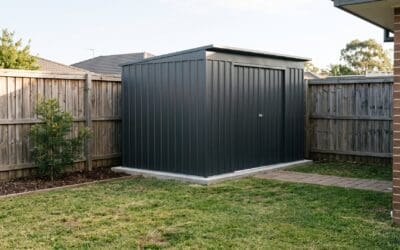
The NSW Government describes complying development as a combined planning and construction approval that a council or an accredited certifier can determine through a fast-track assessment. Anything that does not meet those rules goes through a DA instead. Below both sits exempt development: minor works such as some carports, decks and garden sheds need no planning or building approval at all, provided they meet the relevant standards.
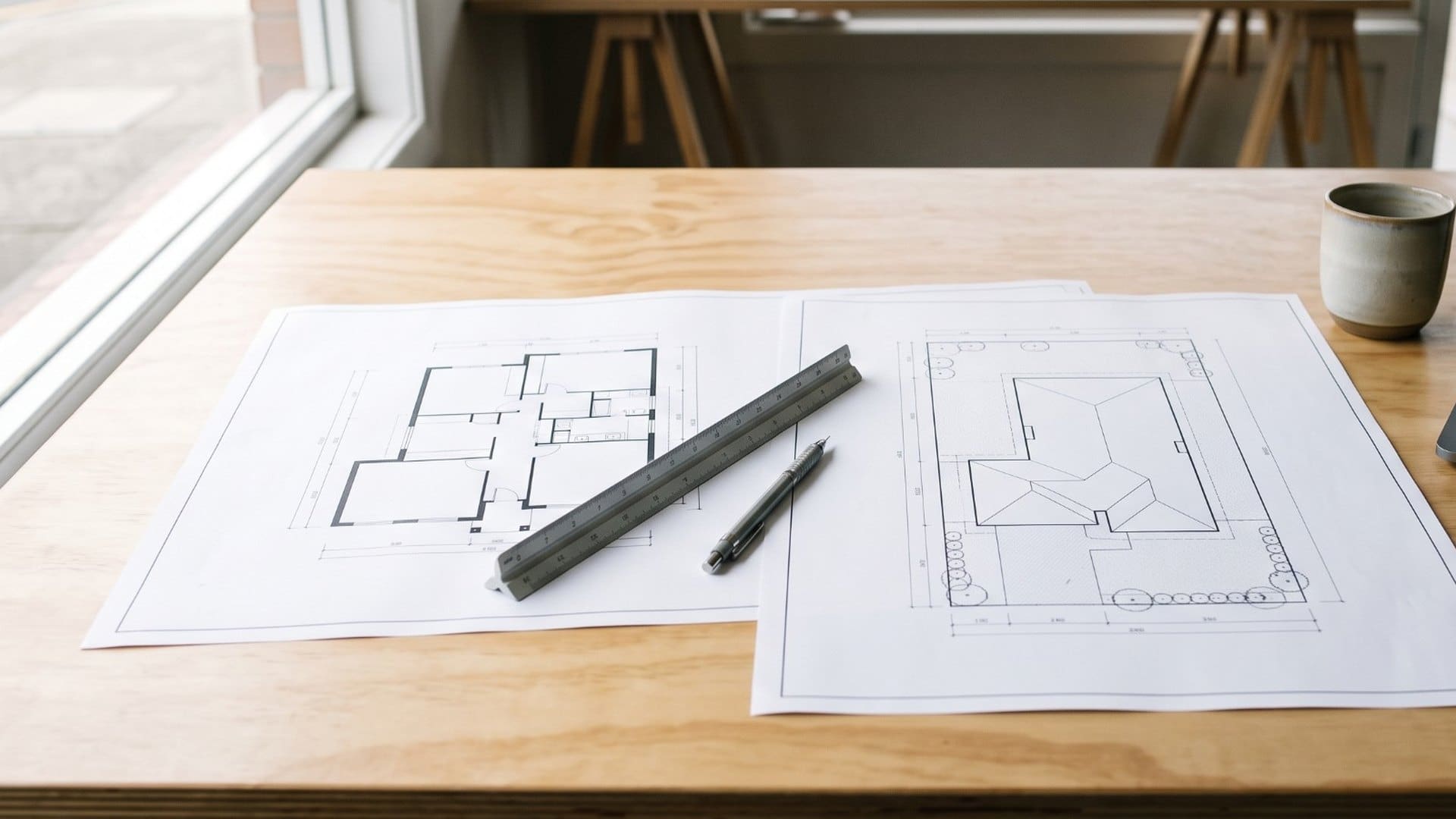
Choosing the pathway is built into our five-step design process. At Step 4 we finalise your plans and BASIX energy rating as DA or CDC documentation, ready for council or a private certifier.
How a complying development certificate works
The rules for complying development are set out in the State Environmental Planning Policy (Exempt and Complying Development Codes) 2008, usually called the Codes SEPP. It covers work such as a new house, alterations and additions to a house, demolition and some changes of business use. If a proposal meets every relevant standard, a CDC can be issued in as little as 20 days.
Those rules are all or nothing. A CDC can only be issued when the proposal complies with all of the requirements, so a design that falls outside a single standard has to go to a DA instead. Some land is excluded from complying development altogether, including heritage items, heritage conservation areas, land reserved for public purposes and environmentally sensitive areas.
A CDC still needs sign-off from a certifier, and it comes with conditions of approval that protect surrounding properties while the work is carried out. The NSW Government estimates homeowners can save up to $15,000 building a house under complying development, and up to $2,600 on a renovation (planning.nsw.gov.au, as at October 2026).
How a development application works
A DA is the route for anything that does not fit the fast track: a design that needs to depart from a standard, land that is excluded from complying development, or a type of development the codes do not cover. The consent authority assesses it against the planning rules for your land, including the council’s local environmental plan, which lists what can be built in each zone.
That flexibility takes longer. The NSW Government puts the average determination time for a DA at 70 days, against as little as 20 days for a CDC.
Our renovation and extension plans are prepared for council and your builder, and we assist with the approvals process whichever pathway applies. Where an application needs specialist input, we work closely with planners, engineers, bushfire, wastewater and other consultants, and we can lodge the application on your behalf and let you know when the plans are approved.
Which pathway suits common home projects
New homes
A new one or two storey house can be approved as complying development when the lot and the design meet the Codes SEPP standards. Where the design needs to depart from one of those standards, it goes to council as a DA.
Renovations and extensions
Alterations and additions to a house are listed under complying development. A renovation that meets the standards can take the fast track, while one that needs more than they allow goes through a DA.
Granny flats
A granny flat can be approved as complying development when the lot and the flat meet the state rules, or through a DA when they do not. Our page on granny flat designs sets out both pathways.
Dual occupancies
The Low Rise Housing Diversity Code allows dual occupancies to be approved as complying development in R1, R2, R3 and RU5 zones, but only where the council’s local environmental plan already permits them. As an accredited designer, Rod can prepare the compliance report your certifier needs.
Working out which one your block needs
The answer starts with your site rather than the design. At Step 2 of our process we obtain site surveys and review council requirements and site constraints before the sketch plan begins. Planning controls differ from one council to the next, so we check them for your lot whether it sits in Camden, the Wollondilly or Campbelltown.
Not sure whether your project suits a CDC or a DA? Call (02) 4655 1390 or send us your project details for a no-obligation chat about your plans.