
Granny Flat Designs & Plans for Camden and Macarthur
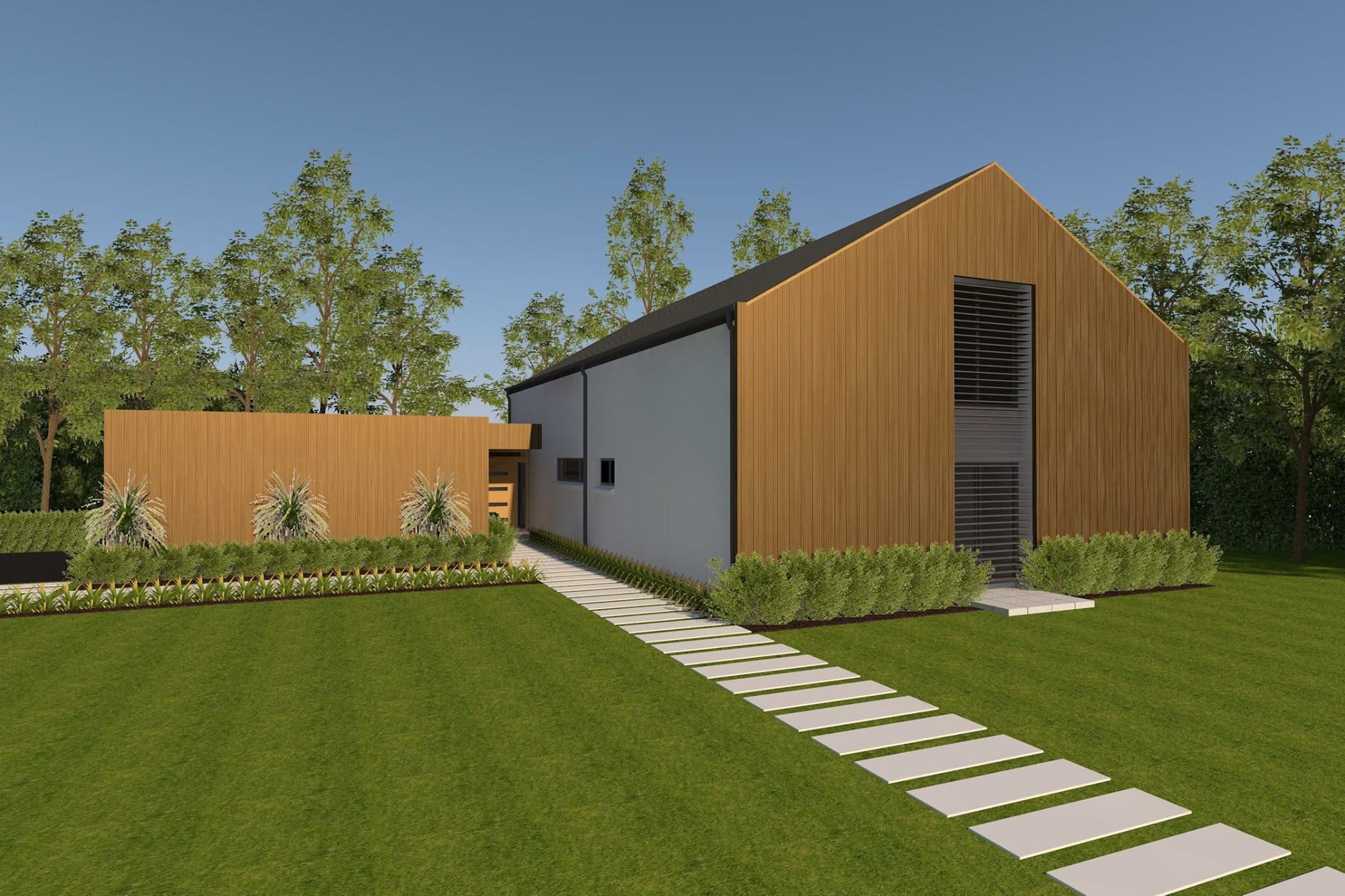
A second home in your backyard, designed for your block
A granny flat (a secondary dwelling, in council language) is the most useful 60 square metres most Camden blocks will ever gain. Somewhere for parents to live close by, a place for adult kids who are not moving out yet, a home office, or a rental that helps with the mortgage.
Macarthur Drafting Services has designed granny flats across Camden, Narellan, Oran Park, Campbelltown and the Wollondilly for over 25 years. Rod McGrath, an accredited building designer, looks at your block first, works out which approval pathway it qualifies for, and designs a flat that fits the yard you actually have rather than a catalogue plan squeezed onto it.
Two ways to get a granny flat approved
Most granny flats in NSW go through one of two pathways, and which one your block qualifies for shapes the design before a line is drawn.
Complying development (CDC). The fast track. A private certifier can approve the flat without a council development application when the block and the design meet the standard rules in the NSW Housing SEPP: a residential-zoned lot of at least 450 square metres, one secondary dwelling per lot, a flat of no more than 60 square metres of floor area (decks, verandahs and carports are counted separately), and standard setbacks and height. Once the drawings and documentation are complete, a complying development certificate is usually issued within a few weeks.
Development application (DA). For blocks that do not fit the fast track: lots under 450 square metres, rural-zoned acreage around Picton, The Oaks and Silverdale, heritage or flood-affected land, some bushfire-prone sites, or a design that needs more room than the CDC rules allow. We prepare and lodge the DA with Camden Council or Wollondilly Shire Council and bring in the surveyor, engineer, bushfire or wastewater consultants the application needs.
Either way the flat can be attached to the house, separate from it, or built within it, and it can be rented to anyone. What it cannot be is subdivided and sold on its own title; for that you need a dual occupancy, which is a different design.
We tell you at the first meeting which pathway your block qualifies for. That one answer decides your timeline and most of your approval cost.
What we design granny flats for
- Family. Parents downsizing next door, adult children, a live-in carer.
- Rental income. A one or two bedroom flat with its own entry, parking and outdoor space.
- Working from home. A studio, consulting room or office with a bathroom and kitchenette.
- Ageing in place. Step-free entry, wider doors and a bathroom laid out for later years, without looking like a clinic.
What a granny flat costs
Two costs matter: the design and approval fee, and the build. We quote the design and documentation fee as a fixed price after the first site meeting, once we know which pathway applies. A DA costs more to get through than a CDC because of council fees and the extra consultant reports it needs, which is one reason the pathway check comes first.
The build cost is set by your builder, not by us. It moves with the size of the flat, the finishes, the slope of the block, and how far the water, sewer and power have to run from the house. Because our plans are drawn to be quoted from, you can put the same set in front of two or three builders and compare like for like.
Granny flat questions we get asked
Can I build a granny flat on my property in NSW?
On most residential blocks in Camden and Wollondilly, yes, provided the lot is at least 450 square metres, already has a house on it, and the flat stays within the size and setback rules. Rural, heritage, flood-affected and some bushfire-prone lots need a DA instead of the fast track. Send us your address and we will check the zoning before you spend anything.
Do I need council approval for a granny flat?
Not always. If your lot and design meet the complying development rules, a private certifier can approve it without a DA. If not, a DA to council is the route, and we prepare and lodge it for you.
How big can a granny flat be in NSW?
The complying development pathway caps the flat at 60 square metres of floor area, which is a comfortable two bedroom layout when it is designed well. Decks, verandahs and carports sit outside that figure. A larger secondary dwelling can be possible through a DA where the council’s plan allows it.
How much does it cost to build a granny flat?
The design and approval fee is fixed after the first meeting. The build cost comes from your builder and depends on size, finishes and site conditions. Our plans are drawn so that builders can quote from them, which is the only reliable way to get a real number for your block.
Does a granny flat add value?
A well designed, approved granny flat generally adds both rental income and resale appeal in the Camden market. An unapproved one does the opposite, because it has to be disclosed and is often ordered removed. The approval is the value.
How long does it take?
Design and documentation is typically a few months from first meeting to a set of plans ready to lodge. A complying development certificate can then be issued within a few weeks; a DA takes longer and depends on council. Construction is separate and depends on your builder.
Granny flat or dual occupancy?
A granny flat is a secondary dwelling on the same title and cannot be sold separately. A dual occupancy is two full dwellings and can often be subdivided. If you might sell one half later, a dual occupancy is the design to look at.
Book a site meeting
Call (02) 4655 1390 or send your address through the contact form and choose “Granny Flat Enquiry”. We design granny flats across Camden, Campbelltown, Wollondilly and the wider Macarthur region.

How It Works
Want to know how we bring your vision to life? Check out our Design Process page for a step-by-step look at how we bring your project to life.
