Do I need council approval for a shed? The short answer
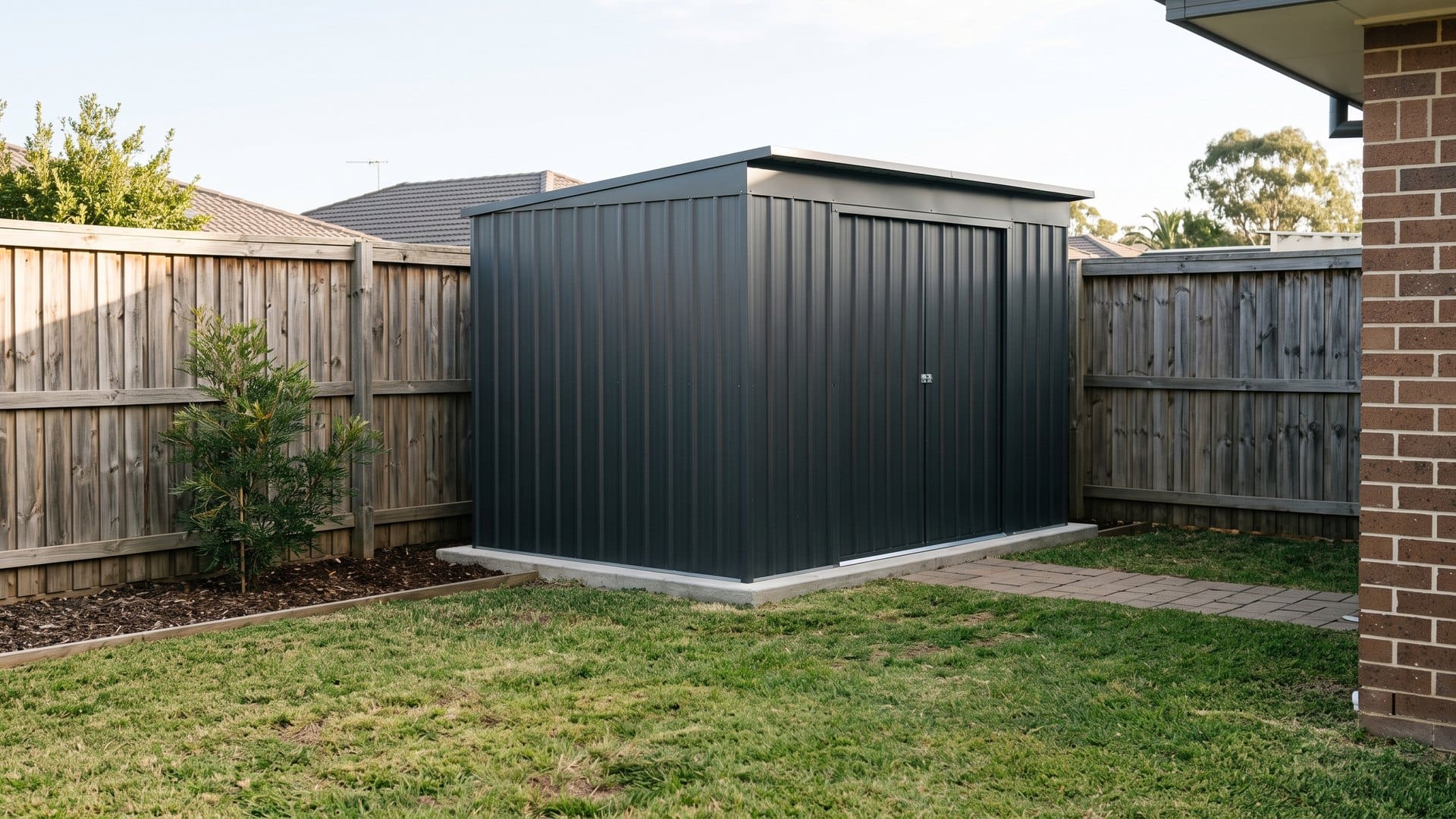
Do I need council approval for a shed? In NSW, often not. A garden shed can be built as exempt development, with no planning or building approval at all, as long as it meets every standard in the State Environmental Planning Policy (Exempt and Complying Development Codes) 2008. If it misses even one of those standards, it needs approval before it goes up.
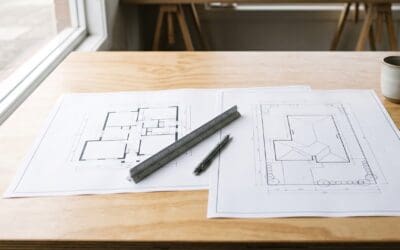
When a shed does need approval, the paperwork usually comes down to drawings. As part of our shed and carport plans, we can provide the additional plans and elevations to go with your shed kit plans, because council or your certifier will want to see levels and how the shed fits on your land.
The exempt development rules for a garden shed
These are the standards a garden shed has to meet to be exempt, from clause 2.18 of the policy as it stands in October 2026:
- Floor area of no more than 20 square metres, or 50 square metres in zones RU1, RU2, RU3, RU4, RU6 and R5 (rural and large lot residential)
- No higher than 3 metres above existing ground level
- At least 900 millimetres from each lot boundary, or 5 metres in those same zones
- Behind the building line of any road frontage, except in zones RU1 to RU4 and RU6
- Not a shipping container
- Roofwater disposed of without causing a nuisance to your neighbours
- On a residential block, any metal parts in low reflective, factory pre-coloured materials
- On bush fire prone land and less than 5 metres from a house, built of non-combustible material
- In a heritage conservation area, in the rear yard
- At least 1 metre from any registered easement
- No more than two of these structures on the one lot
The shed also cannot be built on a heritage item, in a foreshore area or in an environmentally sensitive area. Sheds used as farm buildings on rural land are covered by a separate set of exempt rules in the same policy.
Other rules that still apply
Exempt does not mean anything goes. The shed still has to meet the relevant deemed-to-satisfy provisions of the Building Code of Australia, or otherwise be structurally adequate, and it cannot go on land listed on the State Heritage Register. If building it means removing or pruning a tree that needs a permit, you need that permit first.
A garden shed is a Class 10 building, which means it is not habitable. If you want a home office, studio or rumpus room instead, that is extra living space and it needs planning approval. Connecting stormwater drainage needs council approval under section 68 of the Local Government Act 1993, and water or sewer connections need approval too.
You do not have to engage a certifier for exempt development, and there is no formal requirement to notify your neighbours, although the NSW Government suggests talking to them about your plans anyway.
When your shed needs approval
A shed that is larger, taller or closer to the boundary than the standards allow, or one on excluded land, has two routes. A complying development certificate may be issued for a garden shed in certain zones if it meets the relevant standards; otherwise it goes to council as a development application. Our guide to CDC and DA approvals explains how the two pathways differ.
Either way, the application needs drawings that show the shed on your site: its position, its levels and how it fits on your land. We prepare those plans and elevations to sit alongside your kit supplier’s drawings, and as part of how we prepare and lodge plans we can lodge the application on your behalf with council or your certifier.
Not sure whether your shed is exempt? Call (02) 4655 1390 or send us your shed details for a no-obligation chat before you order the kit.